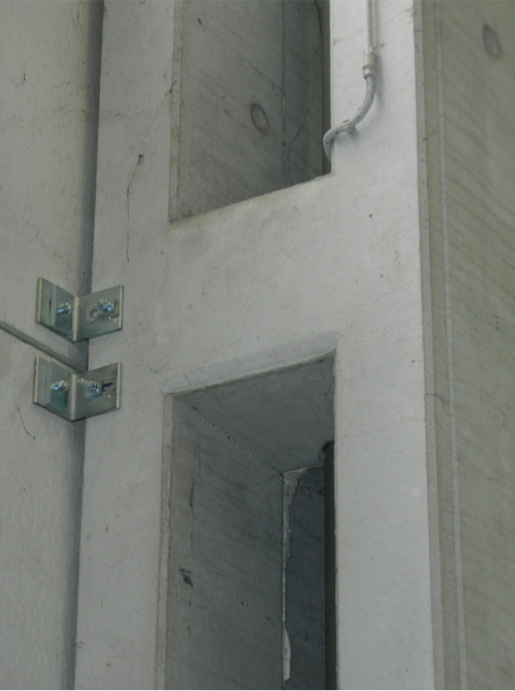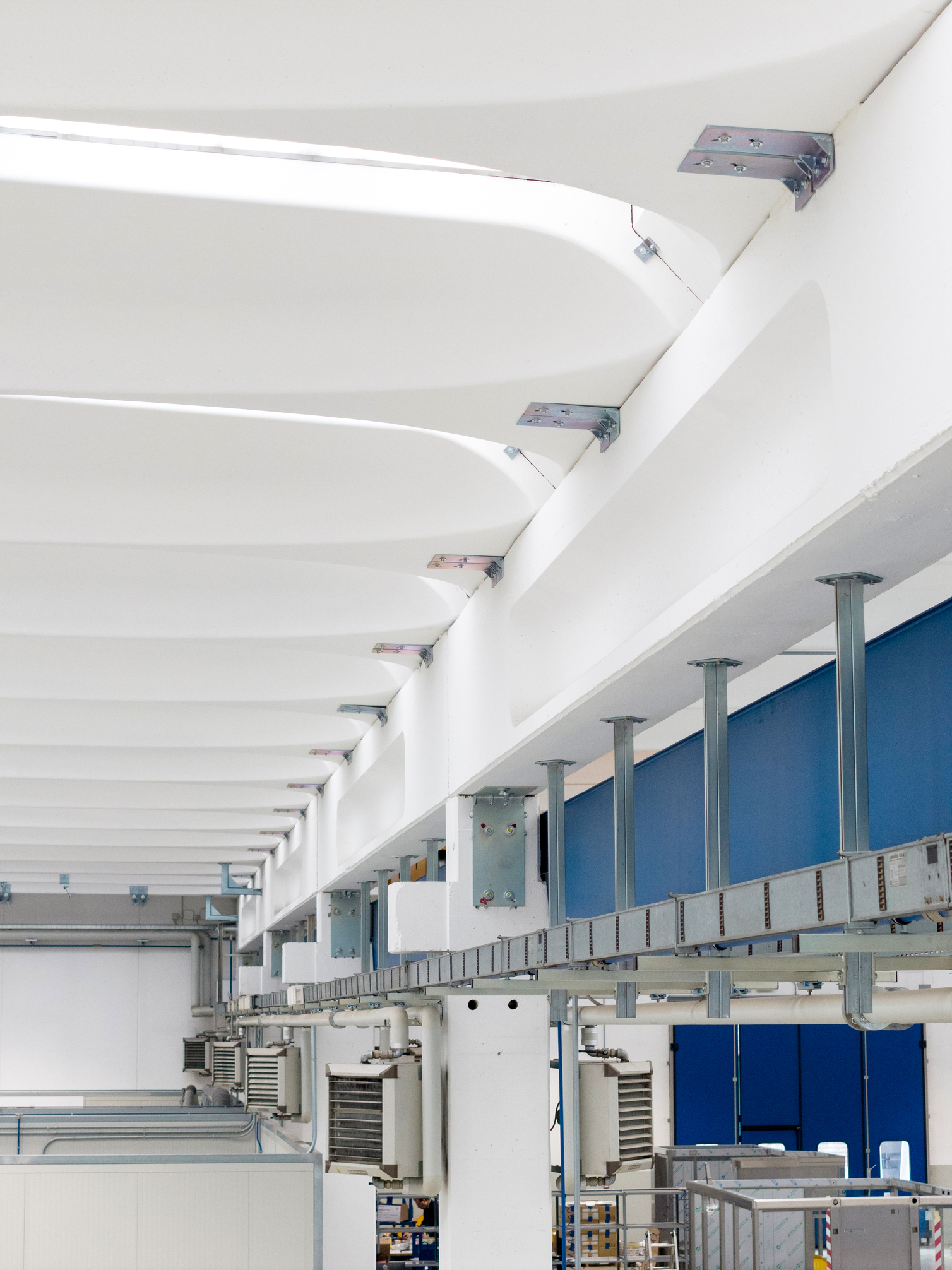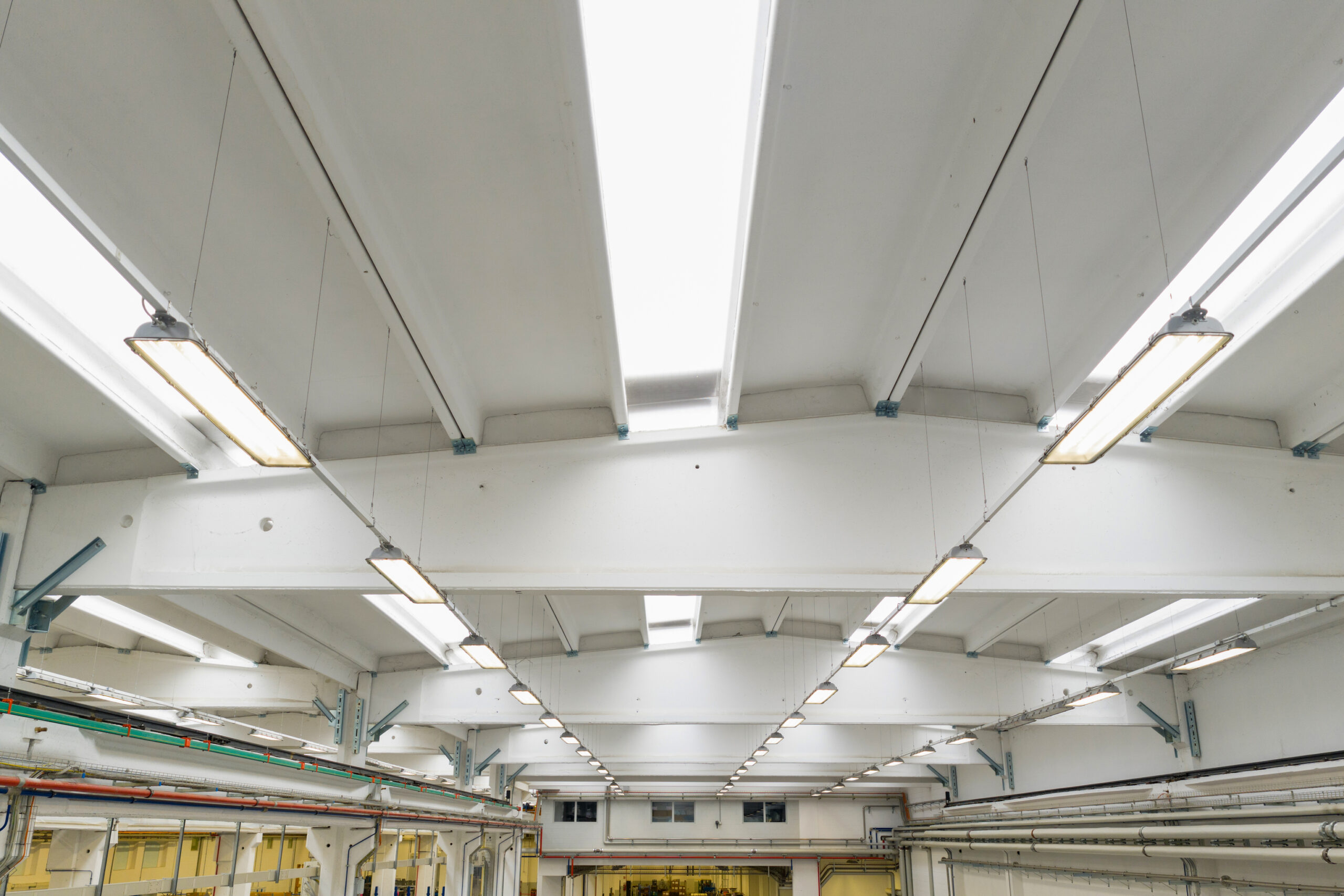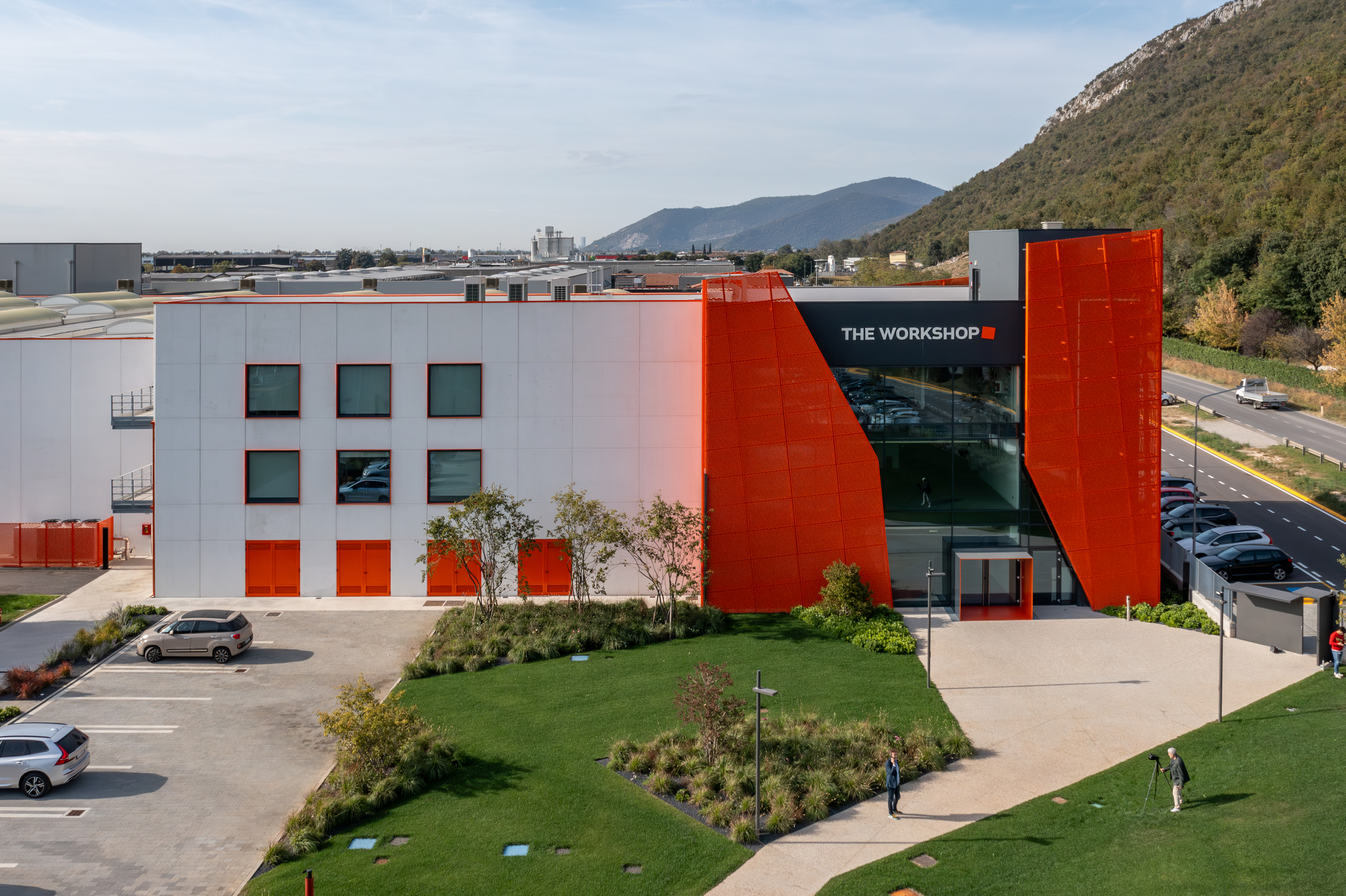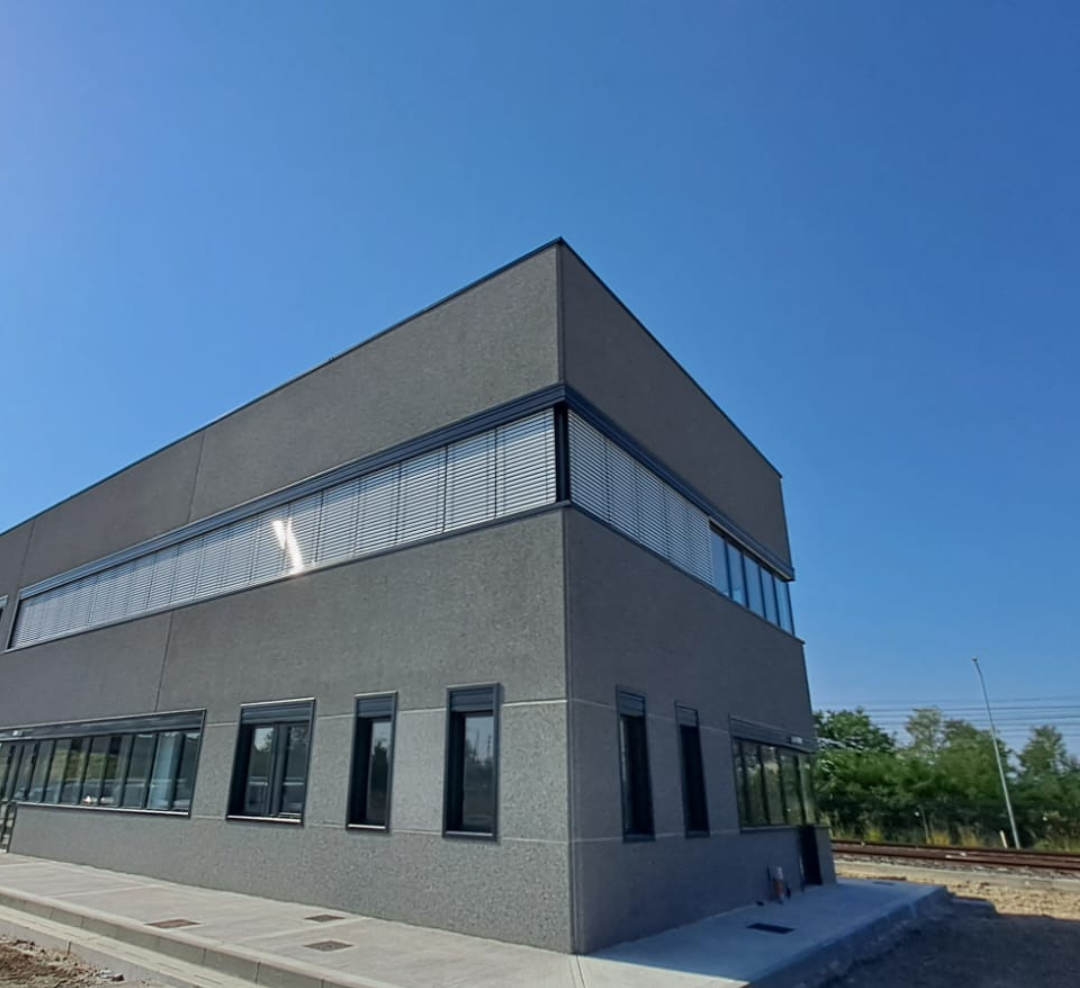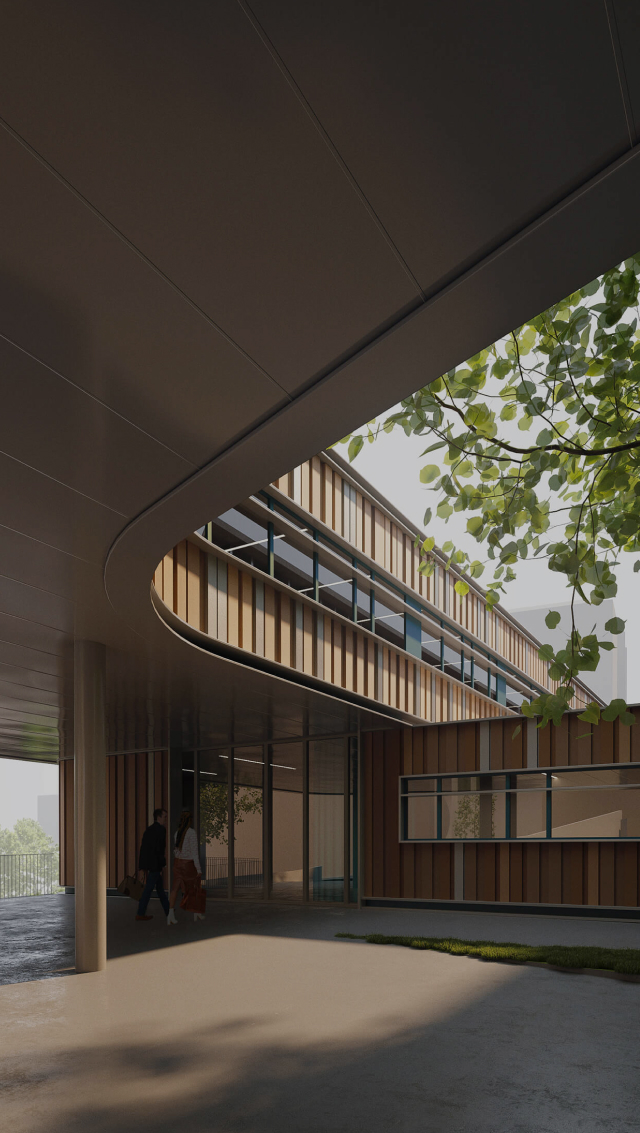
The building under analysis was constructed in 1990, at a time when the Municipality of Bomporto (MO) was not classified as a seismic zone. Consequently, no specific seismic design criteria were adopted during the design phase.
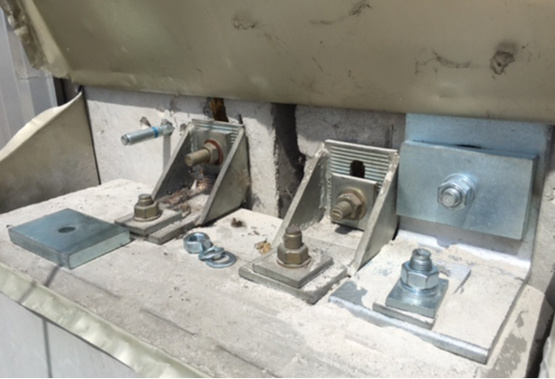
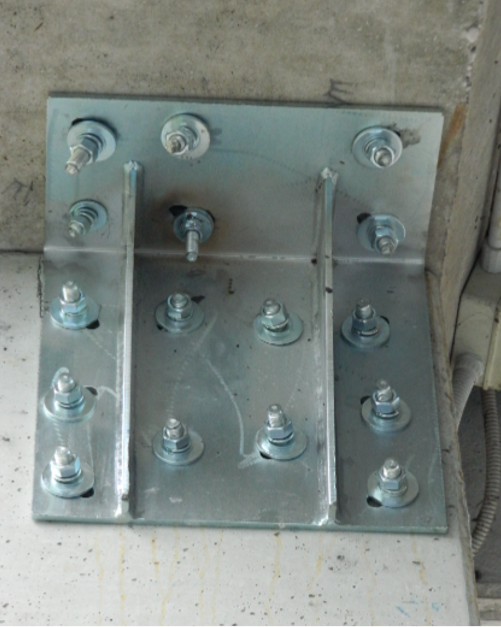
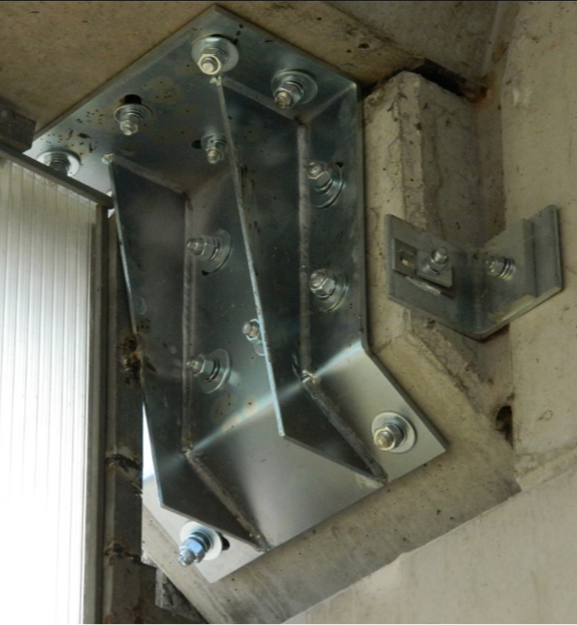
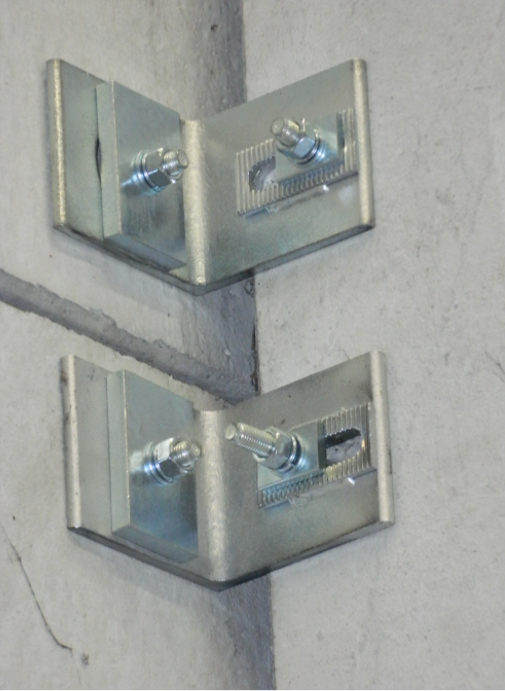
Subsequently, the structure underwent a seismic improvement intervention aimed at reducing its overall vulnerability. In particular, four columns were strengthened through structural jacketing, in order to increase their load-bearing capacity and improve their behavior under seismic actions.
The building is composed of two distinct sections:
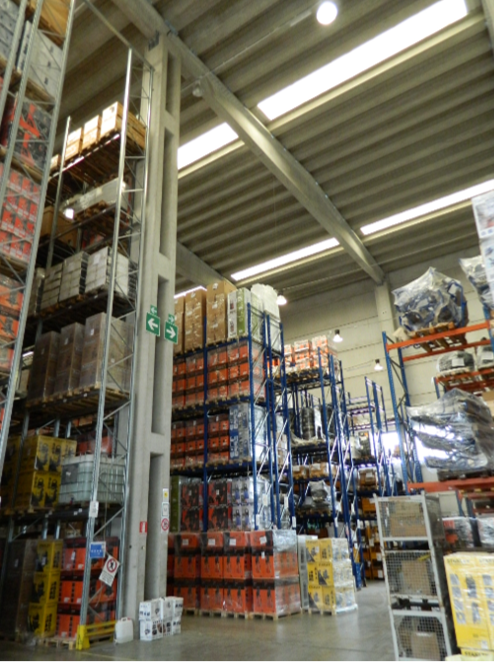
Main section: characterized by a significant height, approximately 18 meters to the underside of the beams. The columns are made with laced members (calastrelli), a construction typology typical of industrial structures of that period.
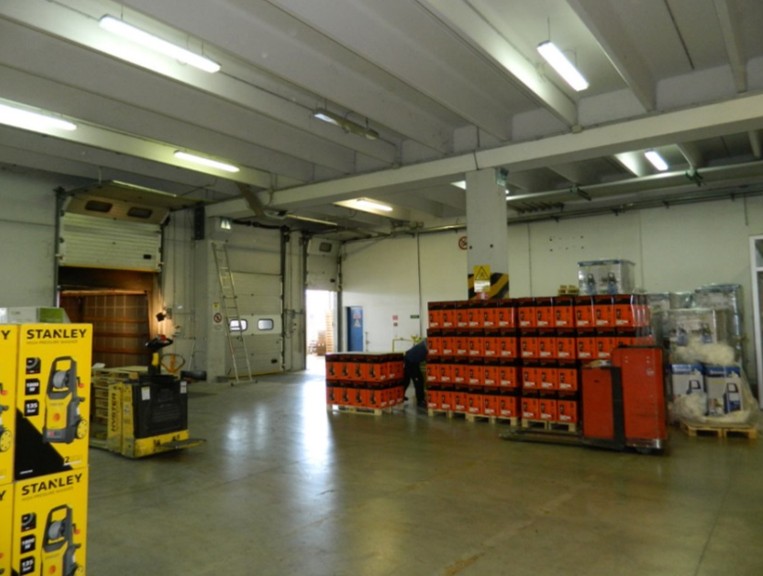
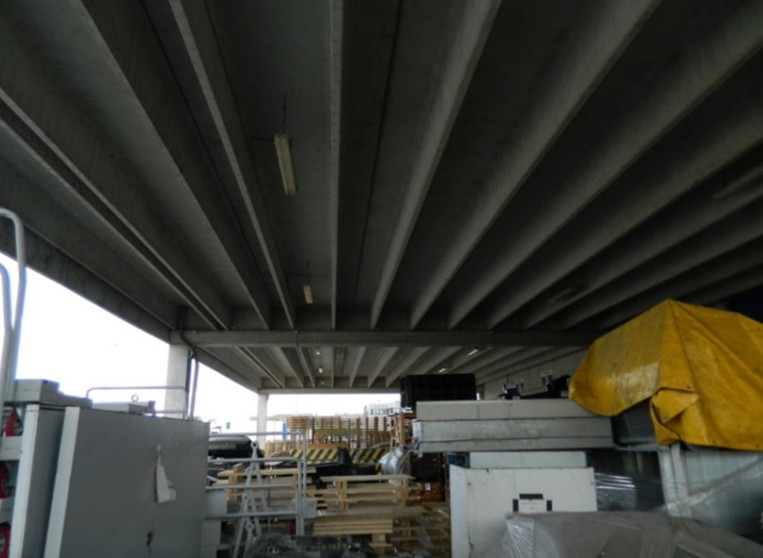
Secondary section (lower): has a height of approximately 12 meters and consists of a two-story portion and an adjacent canopy.
The interventions carried out have improved the structural performance of the building, bringing it to a level of safety more consistent with current regulatory standards.